On-Line/Live Event
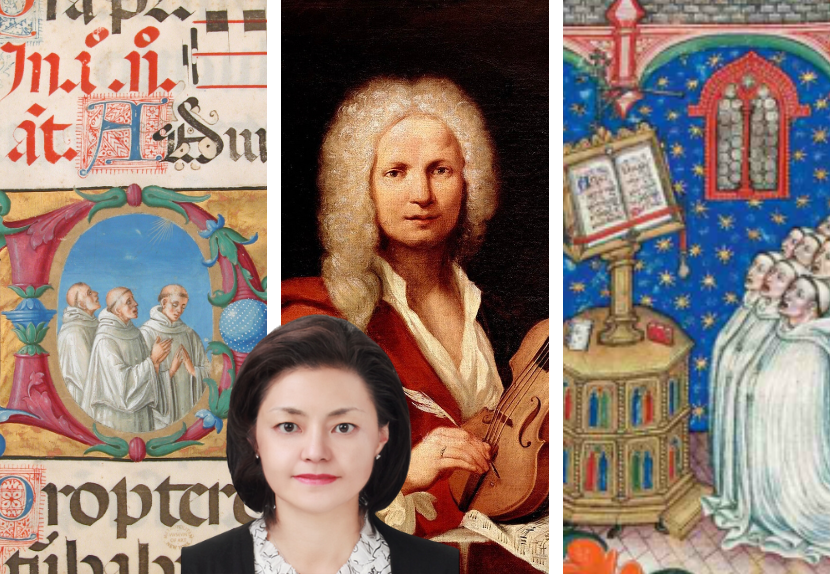
ONLINE MUSIC HISTORY COURSE | “How Italy Created the Classical Music Canon” with Dr. Balbina Y. Hwang LIVE COURSE...
October 14, 2026
3 weeks
$125.00
ONLINE ART HISTORY COURSE
“Tuscany Through the Ages: From the Etruscans to the Grand Dukes”
LIVE ART HISTORY COURSE with Dr. Rocky Ruggiero
Dates & Times:
Wednesdays
September 2, 9, 16 and 23, 2026
11:30am – 12:45pm ET | 8:30 – 9:45am PT |
4:30 – 5:45pm London
ONLINE ART HISTORY COURSE “Tuscany Through the Ages: From the Etruscans to the Grand Dukes”
Course Description:
The Italian region of Tuscany gave rise to some of the most significant political, economic and artistic cities in Western history. This online course will trace the great history and explore the marvelous art of various Tuscan cities, such as Pisa, Prato, Siena, San Gimignano, Volterra, Lucca, Livorno, Florence, and many others. It will also examine the general lore associated with one of the most breathtaking and best-preserved countrysides in the world. This combination of artistic genius, economic prosperity and beautiful surroundings gave rise to an extraordinarily high quality of production of the visual as well as the oenological and culinary arts, all of which continue to inspire the world today.
Course Objectives:
Virtual Classroom: Full access to an online educational platform with videos of recordings, syllabus, and readings.
Credits: Certificate of Completion
Location: LIVE INTERACTIVE ON-LINE ART HISTORY LECTURES
Optional Readings: Information will be provided 2 weeks before the start of the course.
Complete syllabus will be provided 2 weeks before the start of the course.
Lecture 1 – On the Trail of the Etruscans
Wednesday, September 2
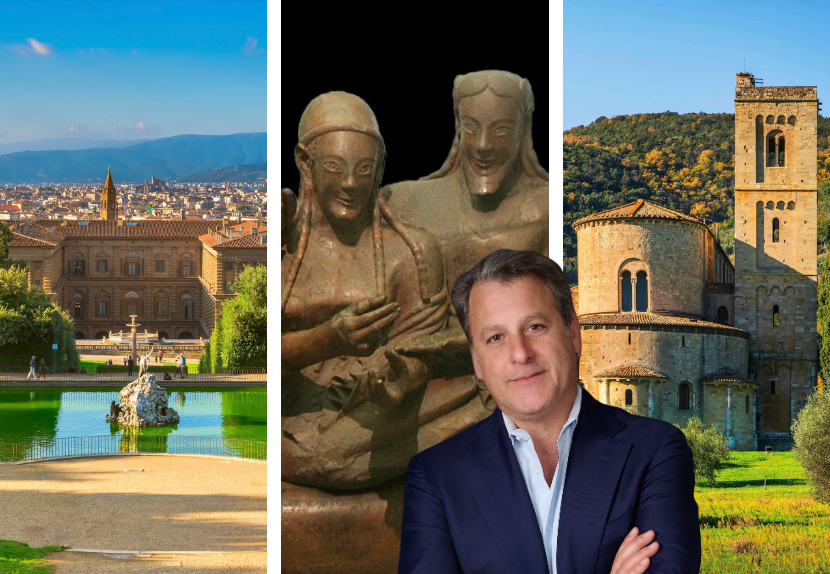
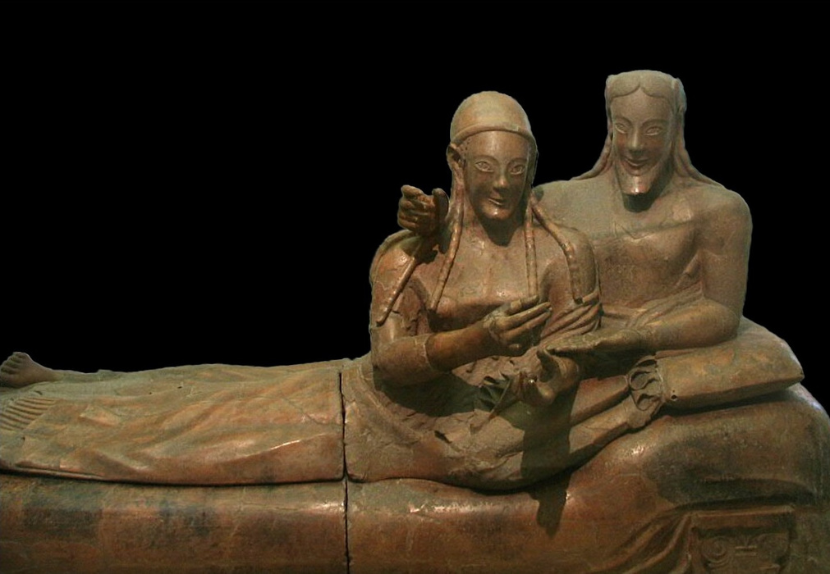
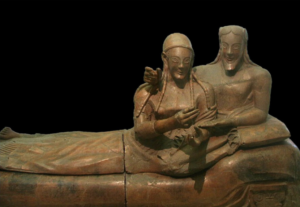
The Etruscans were an ancient people who lived in and gave name to the region of Tuscany. Their origin has been the subject of debate since ancient times, when the Greek father of history, Herodotus, claimed that the Etruscans migrated from Lydia in modern Turkey. Etruscan civilization reached its peak in the 6th century BCE and left behind a rich archeological inheritance consisting mainly of funerary art and architecture.
Lecture 2 – The Tuscan Romanesque
Wednesday, September 9
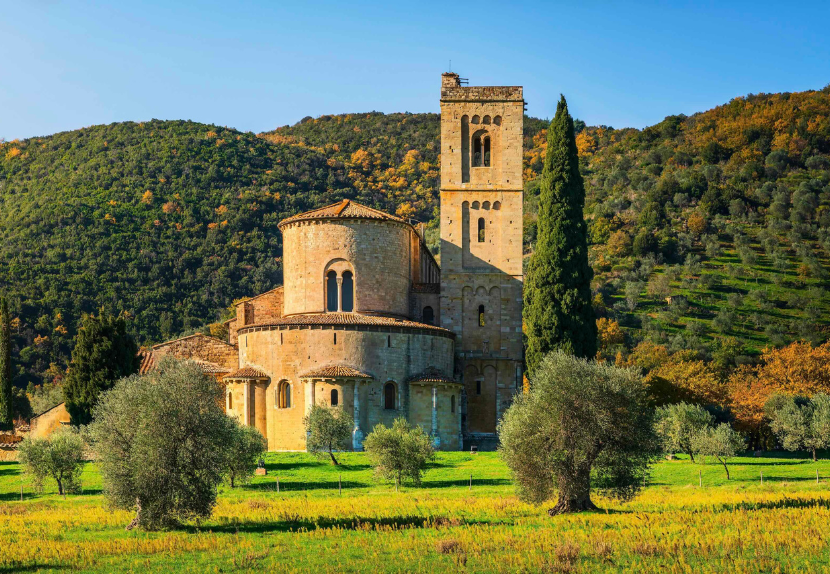
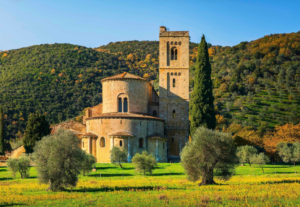
From Pisa Cathedral, San Miniato al Monte (Florence), Florence Baptistry, Lucca Cathedral, San Frediano (Lucca), and the Pieve of Arezzo in northern Tuscany, to the Cathedral of Sovana, Abby church of Sant’Antimo, and Hermitage of Montesiepi (San Galgano) in the south, Tuscany is home to many of the most celebrated Romanesque churches of medieval Europe. This lecture will explore the development of Romanesque architecture throughout Tuscany comparing and contrasting the various buildings that define what scholars today call the “Tuscan Romanesque.”
Lecture 3 – The Rise of the City States in Tuscany
Wednesday, September 16
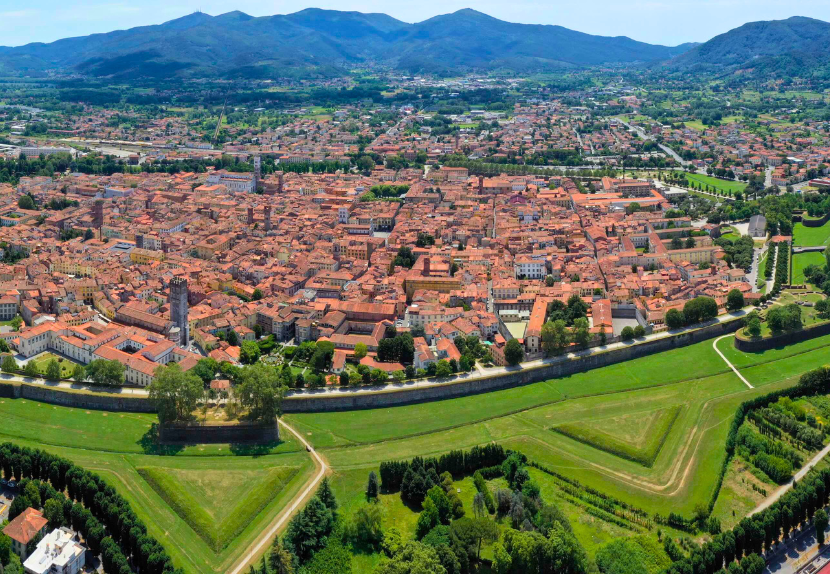
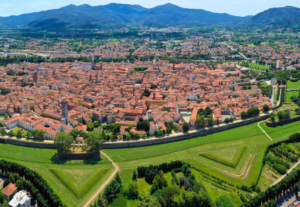
The political transformation of many Tuscan cities from oligarchies to self-governing republics at the end of the 13th century marked the beginning of the period that we call the Renaissance. City-states such as Florence, Siena, San Gimignano, Lucca, and Volterra were some of Europe’s wealthiest and most influential cities, and they began to reinvent the classical language of ancient Greece and Rome into a visual language of power and prestige.
Lecture 4 – Tuscany under the Grand Dukes
Wednesday, September 23
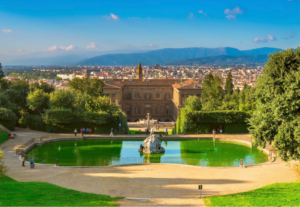
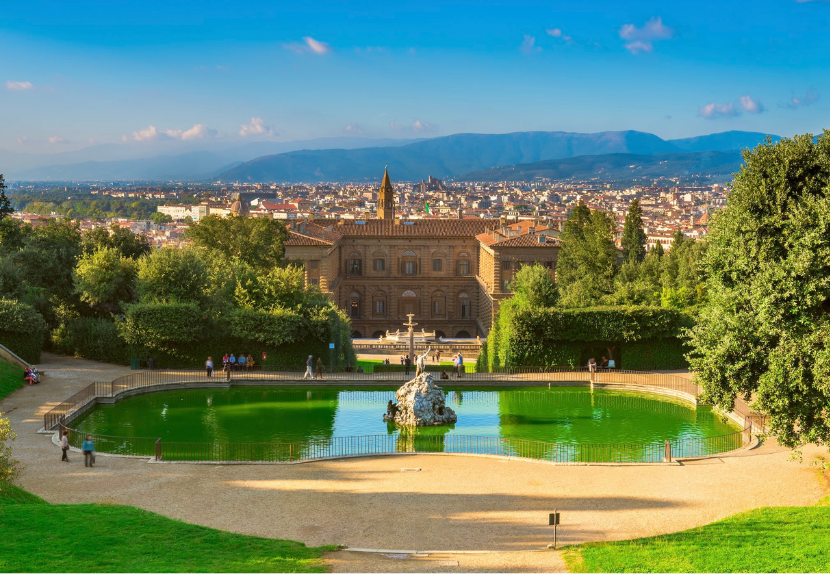
With his conquest of Siena in 1555, Duke Cosimo I de’ Medici took nearly all of Tuscany under his control. Fourteen years later Cosimo would be elevated to the rank of Grand Duke – just one step below “King” – of Tuscany. While Cosimo’s tenure was marked by an ambitious building program in Florence – the enlarged royal residence of the Pitti Palace, the Uffizi, the Boboli Gardens, and the Villa at Castello – the reign of his six successors was marked by a general decline in the importance of the region. Perhaps the only exceptions being Grand Duke Cosimo I’s protection of Galileo in the last decade of the scientist’s life, and Anna Maria Luisa’s “Family Pact” dictating that all Medici art and treasures remain in Florence forever.