On-Line/Live Event
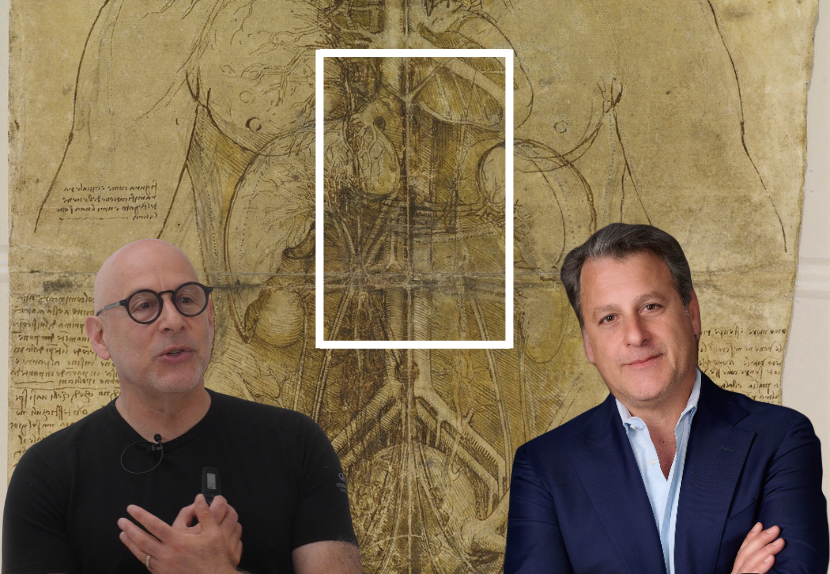
EXCLUSIVE WEBINAR | “Anatomical Hits and Misses: The Old Masters and Human Anatomy” with Dr. Jeremy Wasser
October 15, 2026
1 hour
$25.00

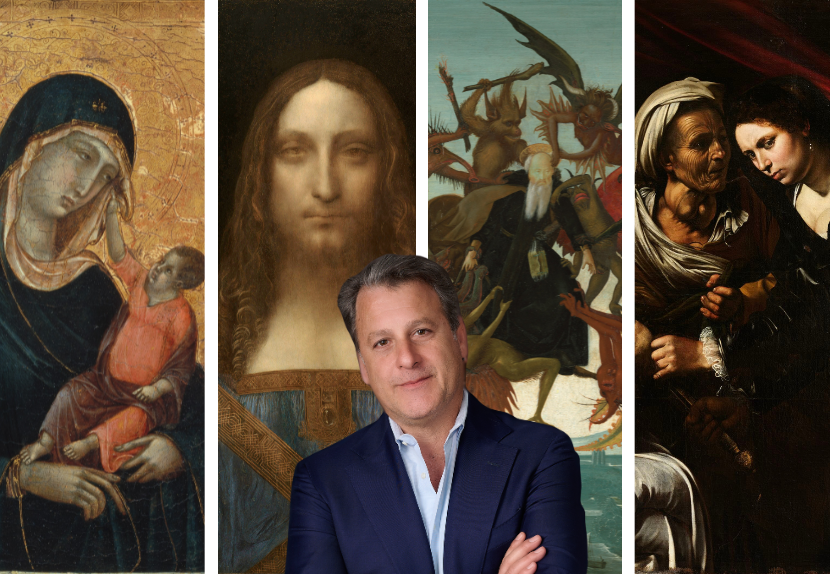
ONLINE ART HISTORY COURSE
“Pulling Masterpieces Out of a Hat: The Murky World of Old Masters Attribution”
LIVE ART HISTORY COURSE with Dr. Rocky Ruggiero
Dates & Times:
Wednesdays
December 2, 9, 16 and 23, 2026
11:30am – 12:45pm ET | 8:30 – 9:45am PT |
4:30 – 5:45pm London
ONLINE ART HISTORY COURSE “Pulling Masterpieces Out of a Hat: The Murky World of Old Masters Attribution”
Course Description:
It seems that every time you open a newspaper or turn on the news, you hear about a sensationally rediscovered masterpiece attributed to a celebrated Renaissance artist. They find them hidden under mattresses, behind couches, or right under our noses before someone “recognizes” them for what they really are – Old Master Masterpieces. Or are they? Clearly, when works of art are valued in the hundreds of millions of dollars, there is much to be gained by associating them with a celebrated Old Master, even when there is little documentary, stylistic, or scientific evidence to support the attribution. This online course will examine the ever-murkier world of Old Master attribution in modern times and how gallery owners, art historians, and auction houses are literally pulling masterpieces out of a hat!
Course Objectives:
Virtual Classroom: Full access to an online educational platform with videos of recordings, syllabus, and readings.
Credits: Certificate of Completion
Location: LIVE INTERACTIVE ON-LINE ART HISTORY LECTURES
Optional Readings: Information will be provided 2 weeks before the start of the course.
Complete syllabus will be provided 2 weeks before the start of the course.
Lecture 1 – Medieval Masters
Wednesday, December 2
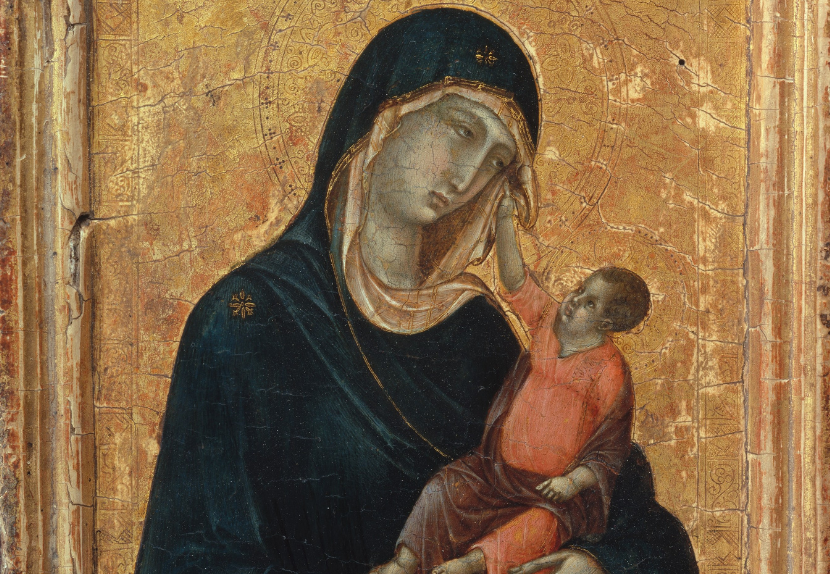
In 2004, the Metropolitan Museum of Art in New York City paid the whopping sum of $45M for an 11 x 8 1/4 in. panel painting attributed to the Sienese master Duccio di Buoninsegna. Both the National Gallery of Art in Washington, D.C. and the Basilica of San Francesco in Assisi proudly boast of housing works by the Florentine master Giotto. Yet, there is no documentary or scientific evidence to support these claims. This lecture will examine the most famous examples of questionable attributions to medieval masters.
Lecture 2 – Leonardo
Wednesday, December 9
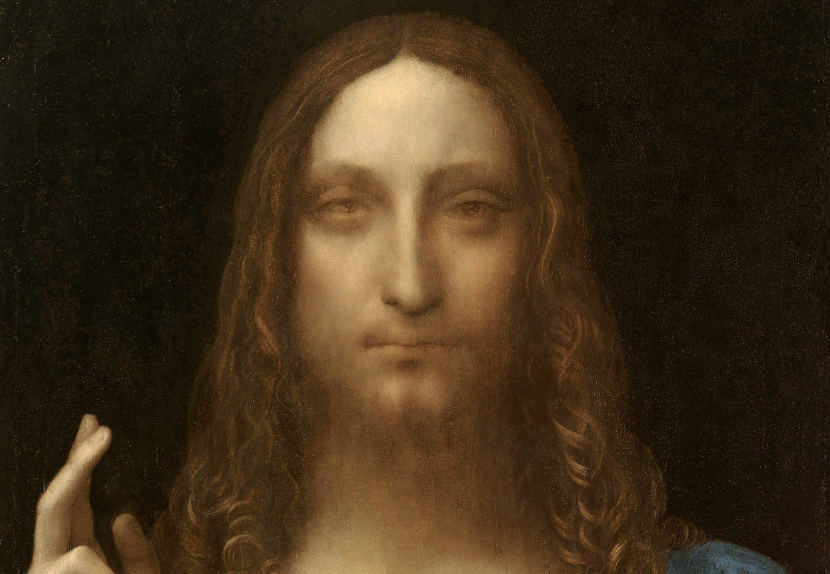
No Renaissance master enjoys as much scholarly and public debate surrounding so many works as does Leonardo da Vinci. From the world’s most expensive painting – the mysterious “Salvator Mundi,” which sold for the staggering sum of $450.3M in 2017, to the recently “discovered” “Bella Principessa,” the Hermitage’s “Madonna Litta,” to the two versions of the “Madonna of the Yarnwinder” in Scotland and New York City, Leonardo, it appears, is always in the news. This lecture will examine the controversies surrounding the above-mentioned works as well as our never-ending fascination with Leonardo da Vinci.
Lecture 3 – Michelangelo
Wednesday, December 16
In 1962, a German art historian claimed to have rediscovered Michelangelo’s long-lost Santo Spirito “Crucifix” hanging in a hallway of the Augustinian convent. In 2008, the Italian government purchased a small wooden crucifix from an antique dealer for €3M claiming it was a Michelangelo. In 2009, the Kimbell Art Museum in Fort Worth, TX purchased what it claimed was Michelangelo’s earliest known painting for an undisclosed sum. In 2011, a retired fighter pilot from Buffalo, NY, claimed to have rediscovered a lost Michelangelo painting “behind the couch.” And just this year, both a painting and a marble bust have received quite a bit of attention after being associated with the artist. It seems new Michelangelos are popping up like mushrooms… This lecture will examine all these controversial cases, case by case.
Lecture 4 – Caravaggio
Wednesday, December 23
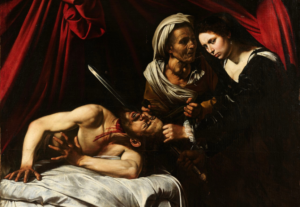
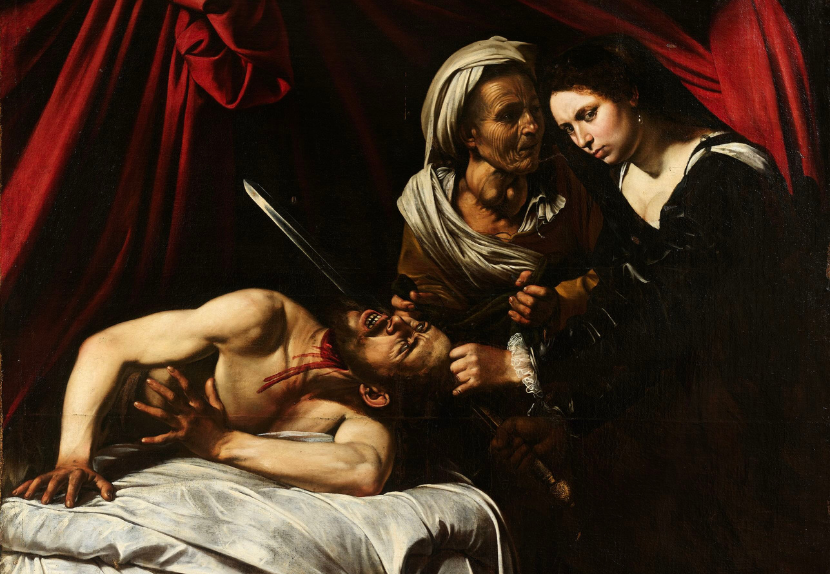
Over the last 15 years, at least three previously obscure paintings have been reattributed to the great Caravaggio. First, in 2010, the Vatican attributed a “Martyrdom of St. Lawrence” painting to Caravaggio and then quickly reversed its position. In 2019, a painting of “Judith and Holofernes” that had been found under a mattress in the attic of a home in Toulouse, France, was attributed to Caravaggio and estimated to be worth around €150M. More recently, in 2021, a painting attributed to a follower of Jusepe Ribera and set to sell at auction for the modest sum of €1.500,00 was suddenly withdrawn by the Spanish government and attributed instead to Caravaggio. And less than a year ago, the Italian state purchased the “Portrait of Maffeo Barberini” for €30M from private owners. The painting was essentially inaccessible before 2024 and while the portrait’s attribution to Caravaggio is generally unchallenged, experts can’t be completely sure that its subject is indeed Barberini nor the artist Caravaggio. This lecture will examine these four recent controversial attributions as well as other questionable works in the ever-expanding oeuvre of the painter.