On-Line/Live Event
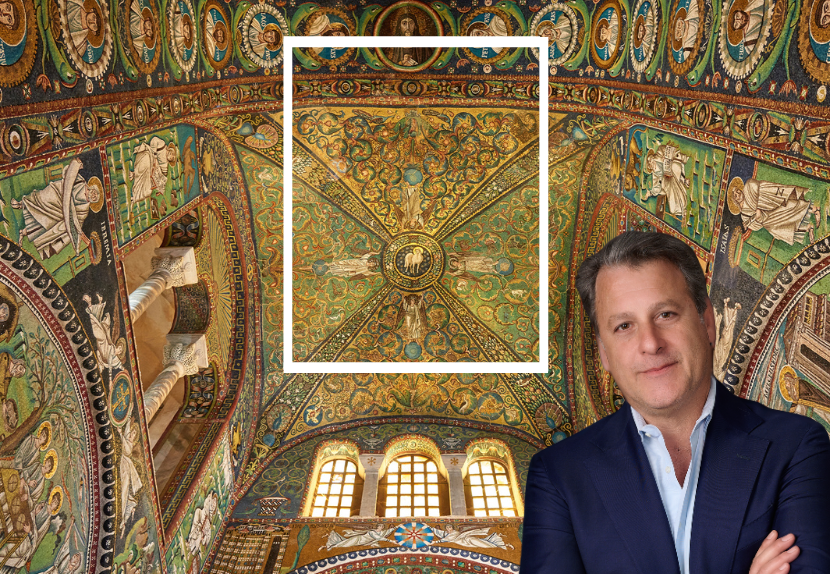
EXCLUSIVE WEBINAR | “Ravenna: The Sparkling Byzantine City” with Dr. Rocky Ruggiero
October 29, 2026
1 hour
$25.00
ONLINE HISTORY COURSE
“Padua: Incubator of the Renaissance”
LIVE HISTORY COURSE with Ross King
Dates: November 30, December 7 & 14, 2026
Schedule: Mondays
Time: 2:00 – 3:15pm ET | 11:00am – 12:15pm PT | 7:00 – 8:15pm London
Contact Hours: 3.45 Hours
ONLINE HISTORY COURSE “Padua: Incubator of the Renaissance”
Course Description:
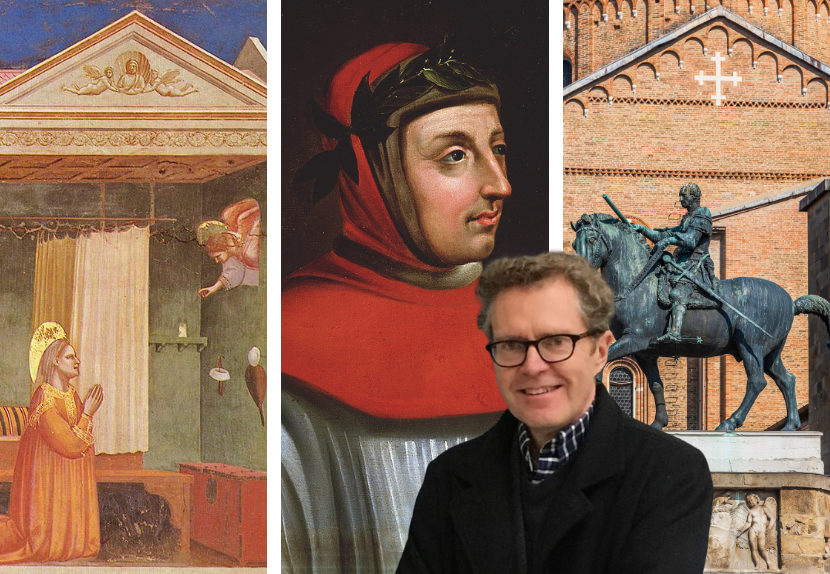
While Florence often claims the spotlight, the university city of Padua served as the radical laboratory where the modern world was truly born. This three-lecture course explores a century and a half of artistic and intellectual innovation and exchange, tracing Padua’s journey from a medieval commune to a hub of humanist thought and scientific learning. The city’s wealth, the patronage of the ruling Carrara family, and the famous university – all enabled and encouraged rigorous science, classical learning and daring artistry, turning Padua into a centre of intellectual, artistic and cultural synthesis. We will explore Giotto’s frescoes in the Scrovegni Chapel, Petrarch’s cult of the antique, and the astronomical and mechanical innovations of Giovanni Dondi, whose Astrarium – a clockwork mechanism showing the revolutions of the heavens – was the greatest invention of the 1300s.
Join us to uncover how this singular city reshaped the way Europeans perceived both the heavens and the earth, and in doing so fostered a remarkable cultural environment that would lead to the innovations of the Renaissance.
Virtual Classroom: Full access to an online educational platform with videos of recordings, syllabus, and reading list.
Location: LIVE INTERACTIVE ON-LINE HISTORY LECTURES
Optional Readings: Information will be provided 2 weeks before the start of the course.
Complete syllabus will be provided 2 weeks before the start of the course.
LECTURE 1 – Giotto in Padua: The Chapel That Changed Western Art
Monday, November 30
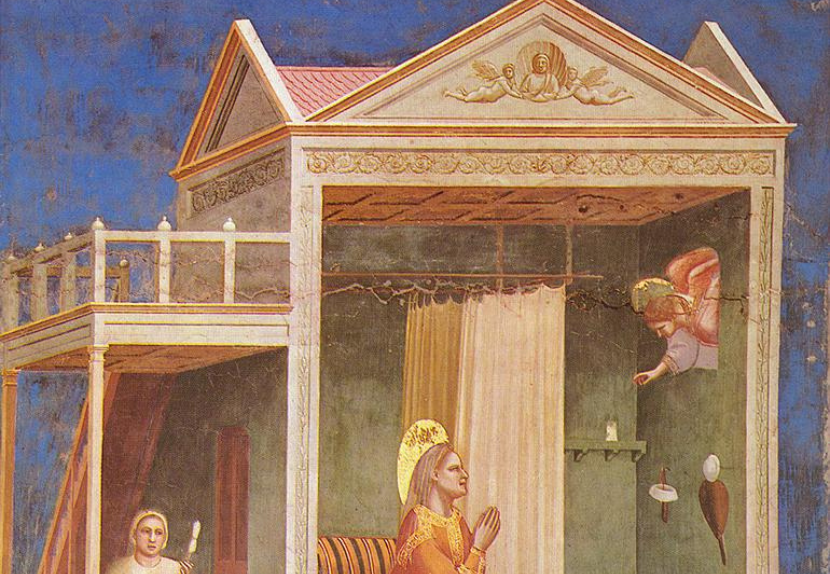
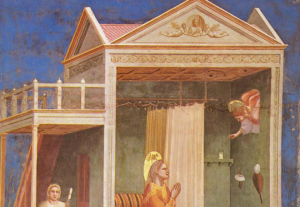
Around 1305, in a small chapel beside the ruins of a Roman arena, Giotto created one of the decisive revolutions in European art. The Scrovegni Chapel transformed sacred painting from a world of golden abstraction into one of human bodies, recognisable emotions, believable space and dramatic storytelling. This lecture explores Padua at the opening of the fourteenth century: a prosperous university city, a pilgrimage centre, and a place where art, money, piety and ambition collided. We will look closely at Enrico Scrovegni’s chapel, its themes of sin, salvation and judgement, and the astonishing new humanity Giotto brought to scenes such as the Lamentation. We will also consider how Padua’s intellectual climate—shaped by medicine, astrology and natural philosophy—may have helped make this artistic breakthrough possible.
LECTURE 2 – Bodies, Clocks and Stars: Science and Humanism in Trecento Padua
Monday, December 7
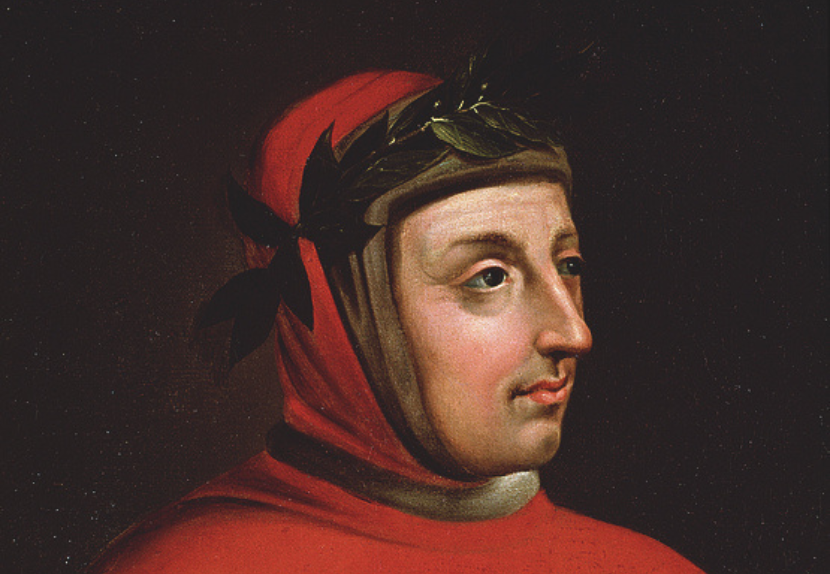
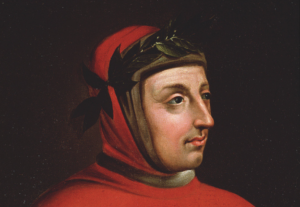
Padua’s Renaissance was not only painted on chapel walls. It was also argued in lecture halls, calculated in astronomical tables, tested in medicine, and embodied in machines. This lecture enters the world of the University of Padua, founded in 1222 and famous for its l_ibertas scholastica_, or freedom of inquiry. We will meet Pietro d’Abano, the physician-philosopher who tried to reconcile Aristotle, Galen, Avicenna and Averroes; Jacopo Dondi, doctor, astronomer and maker of one of Europe’s earliest public clocks; and his son Giovanni Dondi, whose extraordinary Astrarium modelled the movements of the heavens in wheels and gears. Alongside them stands Petrarch, whose years near Padua helped reshape European literary culture. Together they show a city where the body, the cosmos, classical antiquity and mechanical ingenuity belonged to one connected intellectual world.
LECTURE 3 – The Painted City: The Carrara Court and the Road to Mantegna
Monday, December 14
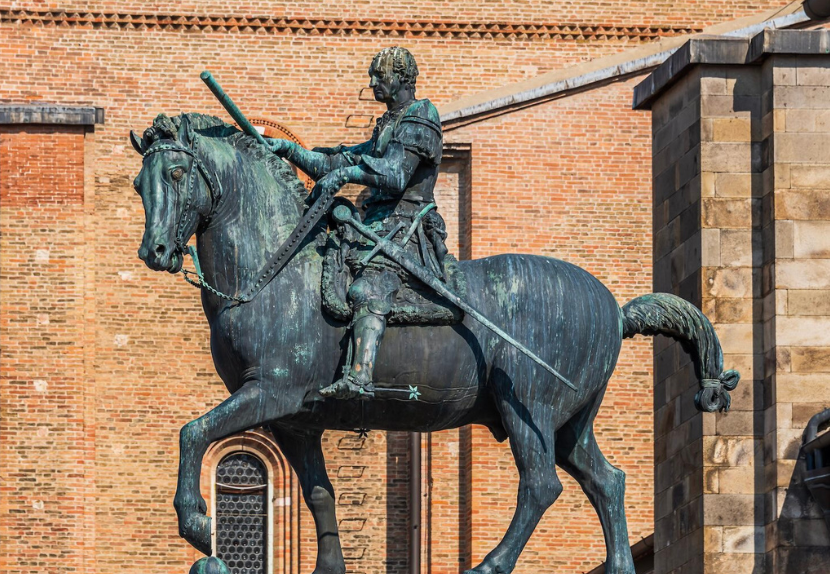
Under the Carrara lords, Padua became one of the most intensely painted cities in Europe. This lecture follows the artistic flowering that came after Giotto: Guariento in the Carrara palace chapel, Giusto de’ Menabuoi’s dazzling Paradise in the Cathedral Baptistery, Altichiero’s spacious narratives in the Chapel of St James and the Oratory of San Giorgio, and the great astrological cycle of the Palazzo della Ragione. These works were not isolated masterpieces but part of a dense urban culture of patrons, scholars, poets, friars, physicians and artists working within walking distance of one another. We will end with Padua’s fifteenth-century afterlife: Donatello’s bronzes for the Santo, the equestrian monument to Gattamelata, and the young Mantegna, whose fierce antiquarian imagination carried Padua’s trecento achievements into the full Renaissance.
Ross King is the award-winning author of numerous books on Italian and French art and history, including Brunelleschi’s Dome and Michelangelo and the Pope’s Ceiling. His biography Machiavelli: Philosopher of Power has been called a “convincing portrait of one of the most misunderstood thinkers of all time.” His most recent book, published in April 2021, is The Bookseller of Florence: The Story of the Manuscripts That Illuminated the Renaissance.