
No products in the cart.

On-Line/Live Event
ONLINE HISTORY COURSE | “Padua: Incubator of the Renaissance” with Ross King LIVE COURSE
November 30, 2026
3 weeks
$125.00


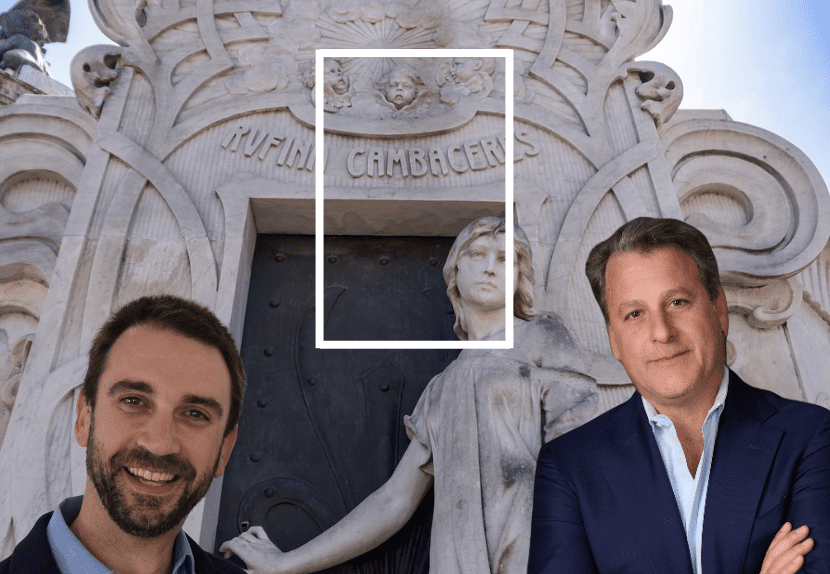
EXCLUSIVE WEBINAR “Recoleta Cemetery: Memory, Power, and the Making of Modern Argentina”
Presented by Esteban Nigro
with Additional Commentary by Dr. Rocky Ruggiero
Date & Time:
Thursday, December 10, 2026
2:00 – 3:00pm ET | 11:00am – 12:00pm PT |
7:00 – 8:00pm London
EXCLUSIVE WEBINAR | “Recoleta Cemetery: Memory, Power, and the Making of Modern Argentina”
Presented by Esteban Nigro
with Additional Commentary by Dr. Rocky Ruggiero
In the early nineteenth century, newly independent Buenos Aires set out to reshape its relationship with death. Burials, long tied to churches and convents at the heart of the city, were gradually moved under a new civic order inspired by European ideas of public health.
Recoleta Cemetery is one of the most striking outcomes of that transformation. Opened in 1822 as the first public cemetery of Buenos Aires, it grew over the following decades into an open-air city of mausoleums where Neo-Gothic, Art Nouveau, and Art Deco styles stand side by side. But it is far more than a place of art: its tombs tell the story of how Argentina was built, from fortunes born largely of agriculture and cattle ranching on the Pampas to the families who turned wealth into political power and, finally, into monuments. Presidents, military leaders, and Eva Perón rest within its walls.
Through allegorical sculpture, funerary symbolism, and unexpected connections to the United States, including a mausoleum linked to the artist behind sculptural work at New York’s Grand Central Terminal, this webinar shows how a cemetery can be read as an archive of memory, power, and identity.
Join us to travel from the geology of the Pampas to the art of mourning, and discover why Recoleta continues to shape how Argentines remember.
The webinar will include a 45-minute lecture followed by 15-minutes of Q&A.
Please note:
Esteban Nigro is a geologist and cultural heritage tour guide, passionate about discovering history in the same place that it happened. He earned his degree in Geology from the University of Buenos Aires in 2008 and went on to study Industrial Engineering for 2 more years. After several years working as a geophysicist for Petrobas and Pampa Energia, Esteban began leading geological tours in Italy (Milan, Florence, Pisa, and the general Tuscany region) and Argentina (Buenos Aires).


