
No products in the cart.

On-Line/Live Event
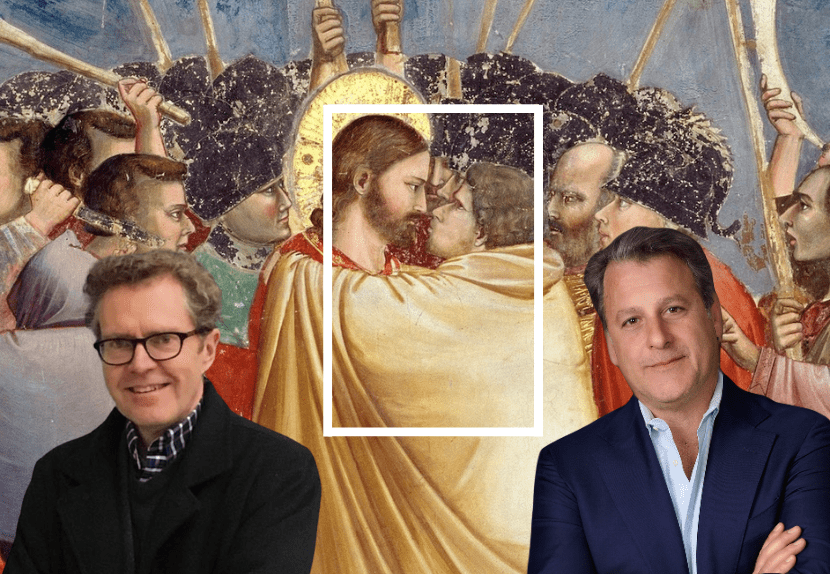
EXCLUSIVE WEBINAR | “The History of Padua: From Troy to Giotto” with Ross King
October 8, 2026
1 hour
$25.00


EXCLUSIVE WEBINAR BUNDLE
“Exclusive Webinars in October”
Presented by Dr. Rocky Ruggiero and special guests Ross King, Dr. Jeremy Wasser, and Dr. Gary Radke
Dates & Times:
Thursday, October 8, 15, 22 & 29, 2026
2:00 – 3:00pm ET | 11:00am – 12:00pm PT |
7:00 – 8:00pm London (October 29 | 6:00 – 7:00pm London – due to time change)
EXCLUSIVE WEBINARS | “Exclusive Webinars in October”
Each webinar will include a 45-minute lecture followed by 15-minutes of Q&A.
Please note:
EXCLUSIVE WEBINAR | “The History of Padua: From Troy to Giotto”
Presented by Ross King
From a Trojan prince and a Roman metropolis to medieval tyrants, saints and scholars, Padua has an extraordinarily rich history. This lecture traces the city from its legendary foundation by Antenor and its prosperity as Patavium, birthplace of Livy, through invasion and destruction, the rise of the medieval commune, the cult of St Anthony, and the terrifying rule of the Ezzelino da Romano. Along the way, we shall see how Padua repeatedly reinvented itself, turning myth, religion and civic ambition into a remarkably powerful sense of identity that, in the 1300s, would begin to transform Western thought and culture.
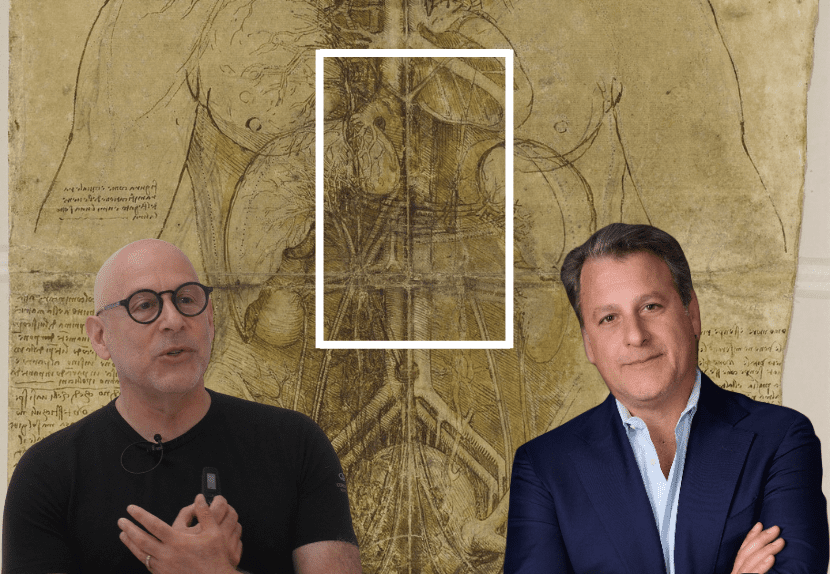
EXCLUSIVE WEBINAR | “Anatomical Hits and Misses: The Old Masters and Human Anatomy”
Presented by Dr. Jeremy Wasser
How do you think he does it? I don’t know.
What makes him so good?
Pinball Wizard, The Who, 1969
The Masters of the Renaissance and Baroque were so good at representing the human form in drawing, painting and sculpture thanks to their personal experience with human anatomical dissection. This scientific training was mostly unavailable to artists of an earlier era and some of the Masters took to it with a vengeance. Leonardo da Vinci claimed to have participated in about 30 human dissections, some of them in collaboration with perhaps the greatest medical anatomist of his day, Marc’Antonio della Torre.
According to Vasari, it was Antonio Pollaiuolo (ca. 1432–1498) who was the “first master to skin many human bodies in order to investigate the muscles and understand the nude in a more modern way.” Like Pollaiuolo, most of these artists were concerned solely with musculoskeletal anatomy, and integument (skin, hair), all features of the outside of the body and thus the parts of the human form they were planning to draw, paint or sculpt.
However, they also developed a deep appreciation and understanding of biomechanics, the way in which humans (and other animals) stand and move as this was another crucial aspect of their artistic depictions. The drawings of da Vinci and the sculptural works of Michelangelo are supreme examples of the application of biomechanical knowledge to the depiction of the human form.
Skilled and experienced as they were in human anatomy, these Masters who gave us some of the most incredible examples of anatomical accuracy in art still made mistakes. Pretty big mistakes and for a variety of reasons.
Join physiologist and medical historian, Dr. Jeremy Wasser, as we explore the anatomical training and experiences of da Vinci, Michelangelo, Rembrandt and other Masters. How did that training translate into some of the most exquisite (and exquisitely accurate) images of the human body ever made. We will also look at some major errors by these artists and seek to understand the reasons why an anatomical Master could create both so many beautiful anatomical hits along with some extraordinary anatomical misses!
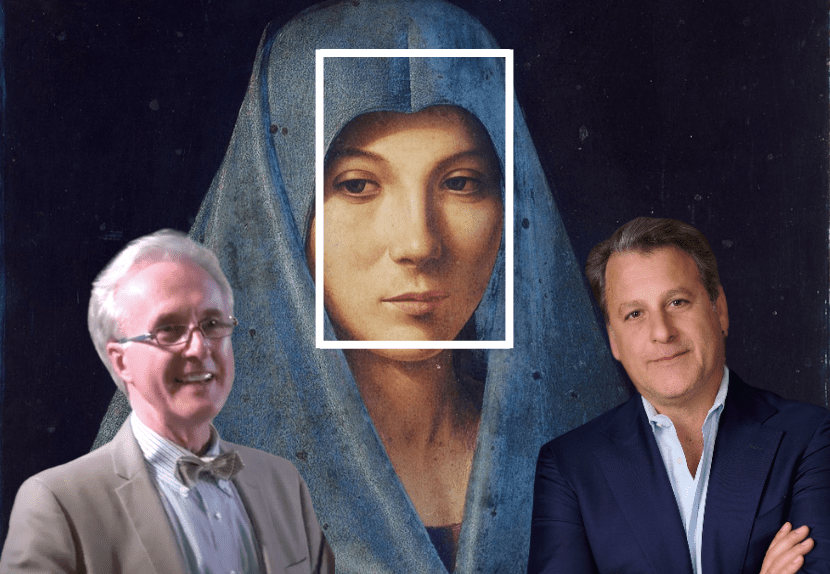
EXCLUSIVE WEBINAR | “Antonello da Messina and the Early Renaissance in Sicily”
Presented by Dr. Gary Radke
Sicily doesn’t often come to mind when one thinks about the Renaissance, but Antonello was a real innovator. He popularized oil painting in Italy and mastered the mysterious smile before Leonardo da Vinci.
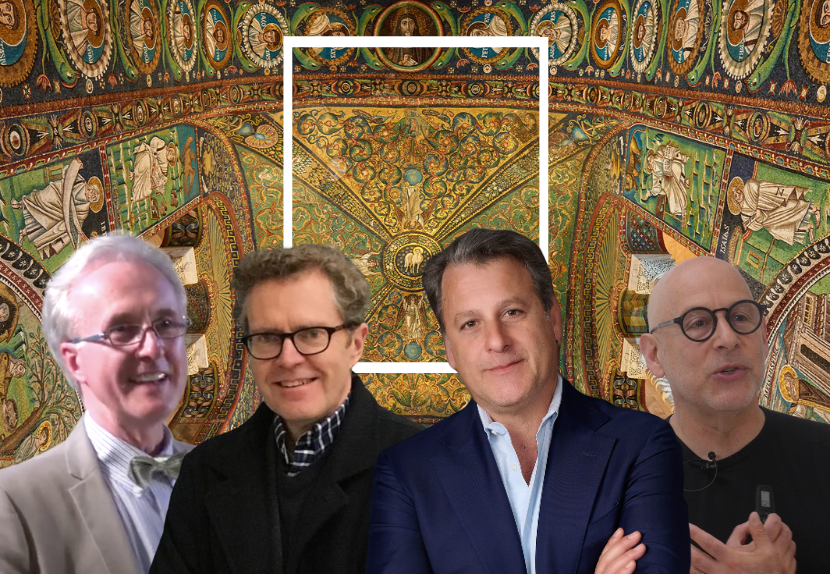
EXCLUSIVE WEBINAR | “Ravenna: The Sparkling Byzantine City”
Presented by Dr. Rocky Ruggiero
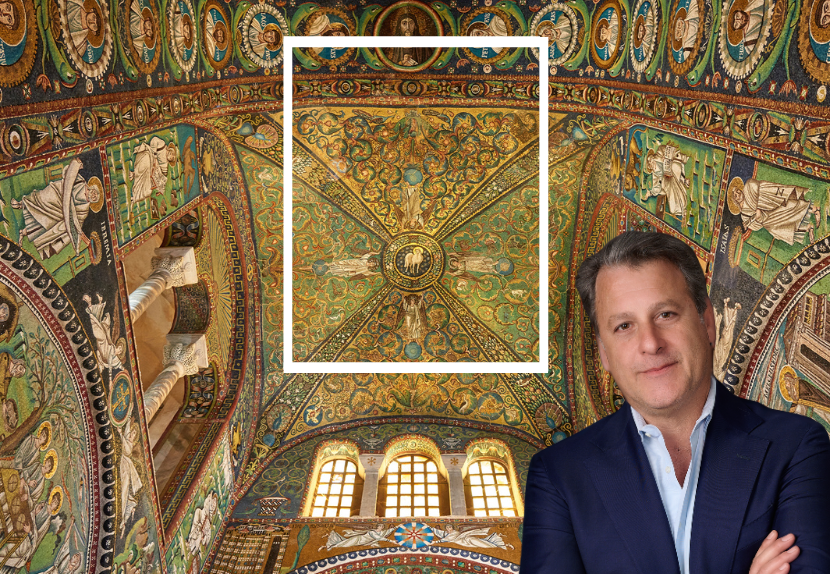
From backwater village to imperial capital, Ravenna, Italy was thrust onto the stage of history in the early 5th century CE. And the fascinating history of Ravenna helped shape the city’s most recognizable artistic marvels – its glorious mosaics. No medium better embodies the glory and mystery of the Byzantine Empire than does this painstaking technique of inserting tiny-colored-glass tiles—or tesserae—into wet plaster to produce figurative and decorative imagery. In Ravenna, the result was some of history’s most beautiful, sumptuous, and famous mosaics, such as the “Emperor Justinian” and “Empress Theodora.”

