
No products in the cart.

On-Line/Live Event
ONLINE HISTORY COURSE | “Padua: Incubator of the Renaissance” with Ross King LIVE COURSE
November 30, 2026
3 weeks
$125.00


EXCLUSIVE WEBINAR BUNDLE
“Exclusive Webinars in December”
Presented by Dr. Rocky Ruggiero and special guests Dr. Eric Nicholson and Esteban Nigro
Dates & Times:
Thursday, December 3, 10 & 17, 2026
2:00 – 3:00pm ET | 11:00am – 12:00pm PT |
7:00 – 8:00pm London
EXCLUSIVE WEBINARS | “Exclusive Webinars in December”
Each webinar will include a 45-minute lecture followed by 15-minutes of Q&A.
Please note:
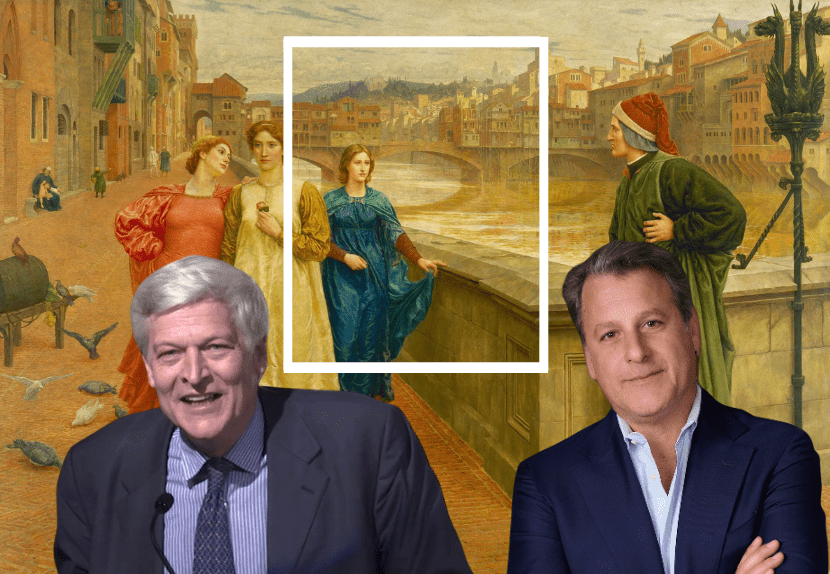
EXCLUSIVE WEBINAR | “Meet the Fab Four of Italian, English, and – Surprise!- American Writers: Dante, Boccaccio, Chaucer, and Shakespeare”
Presented by Dr. Eric Nicholson
Did Geoffrey Chaucer read Giovanni Boccaccio’s Decameron in the original Italian? During his travels in Italy, did Chaucer actually meet Boccaccio himself? Did Shakespeare read and understand Dante’s Divine Comedy, or at least know something about the great Italian epic poem? This exclusive webinar will not definitively answer these questions, but it will reveal how Chaucer, fluent in Italian, translated several long poetic passages by Dante and incorporated them into his own works, just as he adapted several selections from Boccaccio’s anthology of 100 novelle. Although Shakespeare’ plays and sonnets show minimal engagement with Dante’s writings, his comedy Much Ado About Nothing features a charismatic leading lady named Beatrice who quips that she has been to the gates of hell, where she was told to get herself to heaven. For its part, The Decameron shapes several Shakespearean plays featuring other brilliant and courageous women, notably All’s Well That Ends Well, set partially in Florence and based on the story of Giletta di Narbona, and Cymbeline, with its Italianate characters and plot derived from the story of Ginevra, Bernabò, and Ambrogiuolo. Just as importantly, the innovative poetic as well as prose techniques, together with the vast range of narrative devices and complex ideas found in the two Italian writers’ masterpieces, crucially enabled Chaucer and Shakespeare to create their own English classics. We shall also explore how all four featured writers have had important and influential afterlives in American culture, right up to the present.
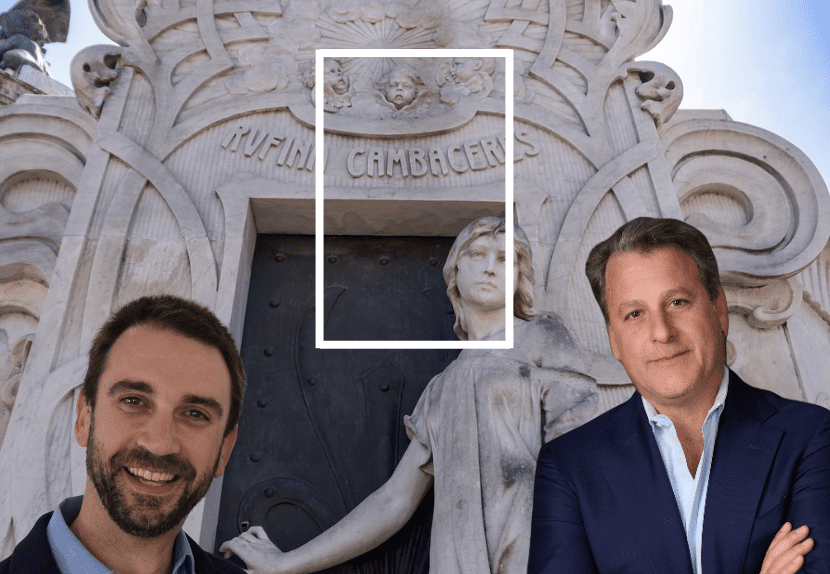
EXCLUSIVE WEBINAR | “Recoleta Cemetery: Memory, Power, and the Making of Modern Argentina”
Presented by Esteban Nigro
In the early nineteenth century, newly independent Buenos Aires set out to reshape its relationship with death. Burials, long tied to churches and convents at the heart of the city, were gradually moved under a new civic order inspired by European ideas of public health.
Recoleta Cemetery is one of the most striking outcomes of that transformation. Opened in 1822 as the first public cemetery of Buenos Aires, it grew over the following decades into an open-air city of mausoleums where Neo-Gothic, Art Nouveau, and Art Deco styles stand side by side. But it is far more than a place of art: its tombs tell the story of how Argentina was built, from fortunes born largely of agriculture and cattle ranching on the Pampas to the families who turned wealth into political power and, finally, into monuments. Presidents, military leaders, and Eva Perón rest within its walls.
Through allegorical sculpture, funerary symbolism, and unexpected connections to the United States, including a mausoleum linked to the artist behind sculptural work at New York’s Grand Central Terminal, this webinar shows how a cemetery can be read as an archive of memory, power, and identity.
Join us to travel from the geology of the Pampas to the art of mourning, and discover why Recoleta continues to shape how Argentines remember.
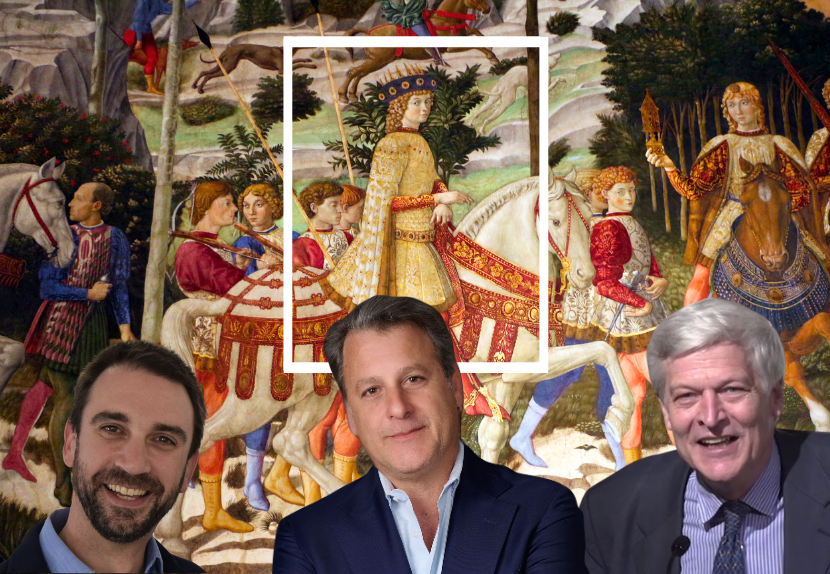
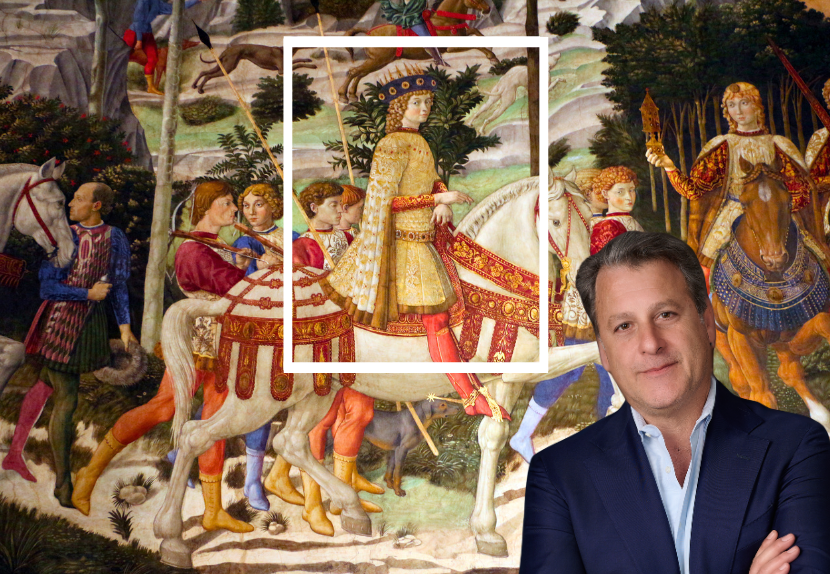
EXCLUSIVE WEBINAR | “A Chapel Fit for a Prince: The Chapel of the Magi in the Medici Palace”
Presented by Dr. Rocky Ruggiero
The Chapel of the Magi inside the Medici Palace in Florence, Italy, is strikingly ornate. A sumptuous, coffered ceiling covers the chapel, while inlaid marble and porphyry decorate its floors. In 1459, the artist Benozzo Gozzoli adorned its walls with beautiful frescoes depicting the voyage of the Magi and included many contemporary portraits of Medici men, as well as local and international rulers allied with them. Not only was the Chapel of the Magi the first-ever authorized chapel in a private home, but it was also a clear statement on the part of the Medici that although they might publicly appear to be ordinary citizens of the Florentine Republic, privately, they thought themselves part of an elite ruling class.


