On-Line/Live Event
ONLINE ART HISTORY COURSE | “Chisel & Brush: Making Italian Renaissance Masterpieces” with Dr. Sally J. Corne...
March 25, 2026
3 weeks
$125.00


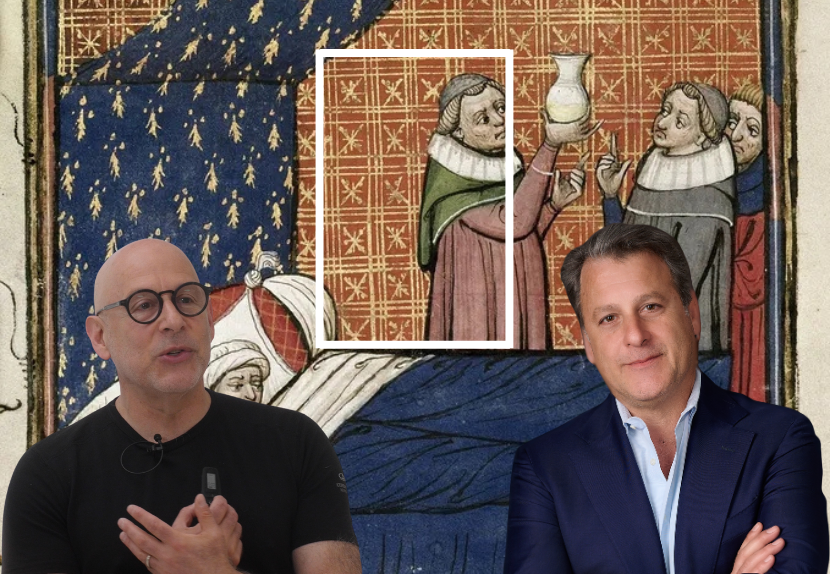
EXCLUSIVE WEBINAR “The Color of Healing: The Role of Color in Diagnosis and Therapy in Premodern Medicine”
Presented by Dr. Jeremy Wasser
with Additional Commentary by Dr. Rocky Ruggiero
Date & Time:
Thursday, March 19, 2026
2:00 – 3:00pm ET | 11:00am – 12:00pm PT |
6:00 – 7:00pm London (time change due to daylight savings)
EXCLUSIVE WEBINAR | “The Color of Healing: The Role of Color in Diagnosis and Therapy in Premodern Medicine”
Presented by Dr. Jeremy Wasser
with Additional Commentary by Dr. Rocky Ruggiero
He knew the cause of everich maladye,
Were it of hoot or cold, or moiste, or drye,
And where engendred, and of what humour;
He was a verrey parfit practisour:
Geoffrey Chaucer, The Canterbury Tales, General Prologue, lines 419–22
In the illuminated early 15th century manuscript of The Canterbury Tales known as the Ellesmere Chaucer, this description of the physician-pilgrim is accompanied by a painted miniature of the doctor on horseback, holding up for inspection a matula, a urine flask filled with a yellow-colored sample. The importance of uroscopy, the examination of urine for color, turbidity, the presence of particulates, smell and even taste was such a critical element of premodern medicine that the flask itself became the emblem of doctor-ness, much as the stethoscope is today. The ubiquity of uroscopy as practiced in the premodern world meant that the color diagrams physicians used (called uroscopy wheels) played a primary role in diagnosing disease.
Color also was a therapy for ailments ranging from skin diseases, ophthalmologic disorders, and even smallpox. John of Gaddesden (1280-1361), one of the most famous medieval English physicians and a contemporary of Chaucer, may have been the model for the physician-pilgrim in The Canterbury Tales. From John of Gaddesden’s magnum opus, Rosa Medicinae (Rose of Medicine), we have his color-based therapy for the treatment of smallpox:
Then take scarlet cloth and wrap the patient entirely in it, or in another red cloth. This is what I
did for the son of the most noble King of England when he was suffering from these diseases,
and I made everything around the bed red. It is a good treatment, and I cured him afterward
without any traces of smallpox.
Even today color plays a role in diagnosis and therapy. That red-light therapy was of value in treating smallpox patients (at least in terms of minimizing the degree of permanent pitting of the skin from the pustules) formed the basis for the awarding of the 1903 Nobel Prize in Physiology or Medicine to the Danish physician, Niels Ryberg Finsen. The medical specialty he created, now known as photobiomodulation, uses colored light in the treating of dermatologic diseases and more recently other somatic and psychological conditions.
Join physiologist and medical historian, Dr. Jeremy Wasser, for a discussion of the medical history of color as a diagnostic and therapeutic tool. We will explore the ancient reasoning for why color was thought to be medically important and delve into the ways in which it was used to diagnose and treat medical conditions by premodern practitioners. We will also shine a light (so to speak) on how color is used for diagnosis and therapy in the 21st century.
The webinar will include a 45-minute lecture followed by 15-minutes of Q&A.
Please note:
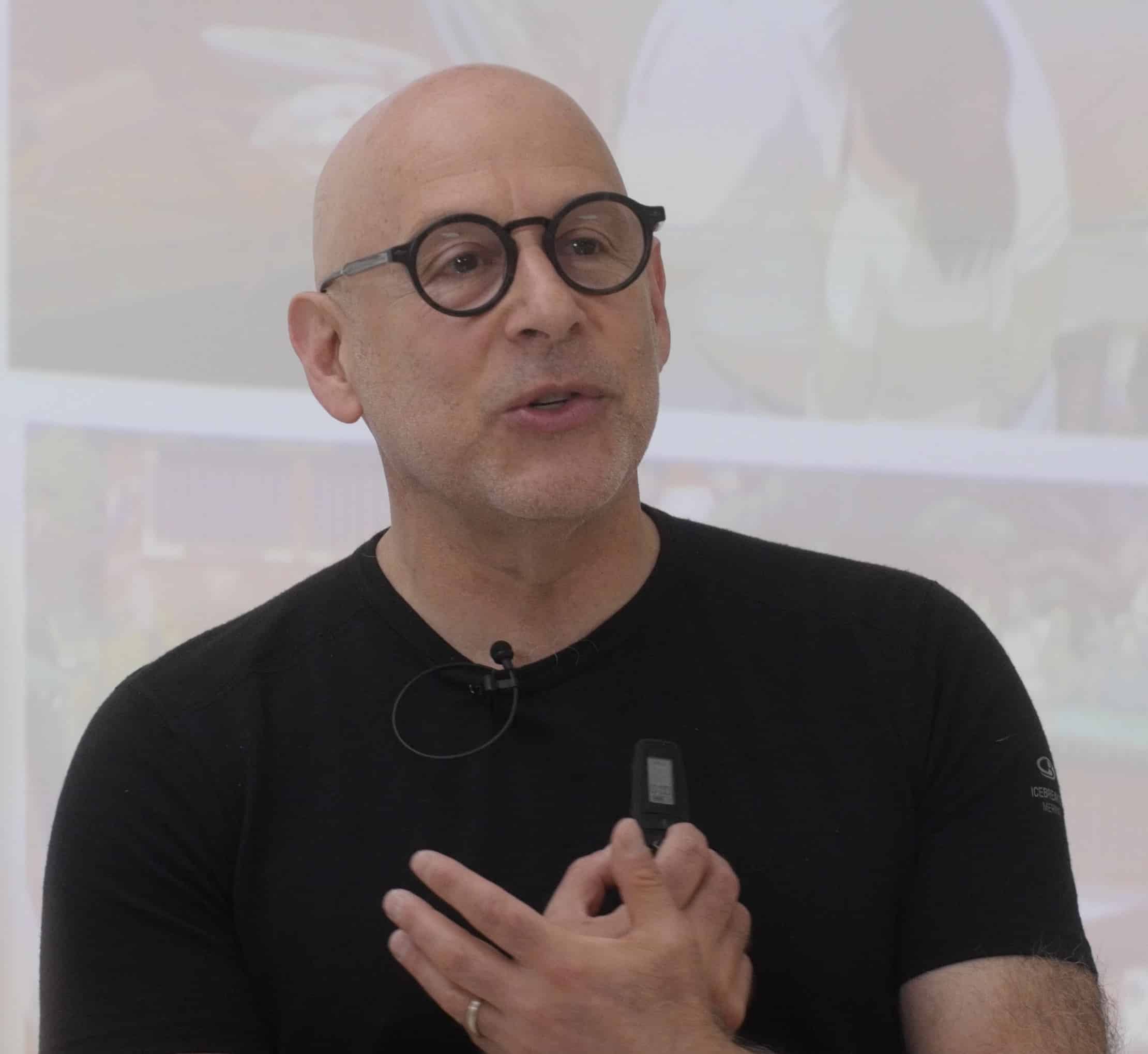
Jeremy Wasser, Ph.D. is an Associate Professor of Physiology at Texas A&M University. Dr. Wasser serves as the program leader for study abroad programs in Germany, focused on the history of medicine, providing future doctors and biomedical science researchers with a foundation in physiology and the medical humanities. Along with his scientific publications he has written and lectured on the culture of disease, the history of public health and health policy, the history of human experimentation, and the role of physiological education in contemplative practices. Additionally, Wasser’s training in opera and theatre inform the unique personas that he creates for lectures in the history of medicine and performances related to science and storytelling.