
No products in the cart.

On-Line/Live Event
FREE WEBINAR | “Masterpieces of the Accademia Gallery in Venice” with Dr. Rocky Ruggiero
October 20, 2026
1 hour


EXCLUSIVE WEBINAR BUNDLE
“Exclusive Webinars in November”
Presented by Dr. Rocky Ruggiero and special guests Dr. Laurinda Dixon and Dr. Sally J. Cornelison
Dates & Times:
Thursday, November 5, 12 & 19, 2026
2:00 – 3:00pm ET | 11:00am – 12:00pm PT |
7:00 – 8:00pm London
EXCLUSIVE WEBINARS | “Exclusive Webinars in November”
Each webinar will include a 45-minute lecture followed by 15-minutes of Q&A.
Please note:
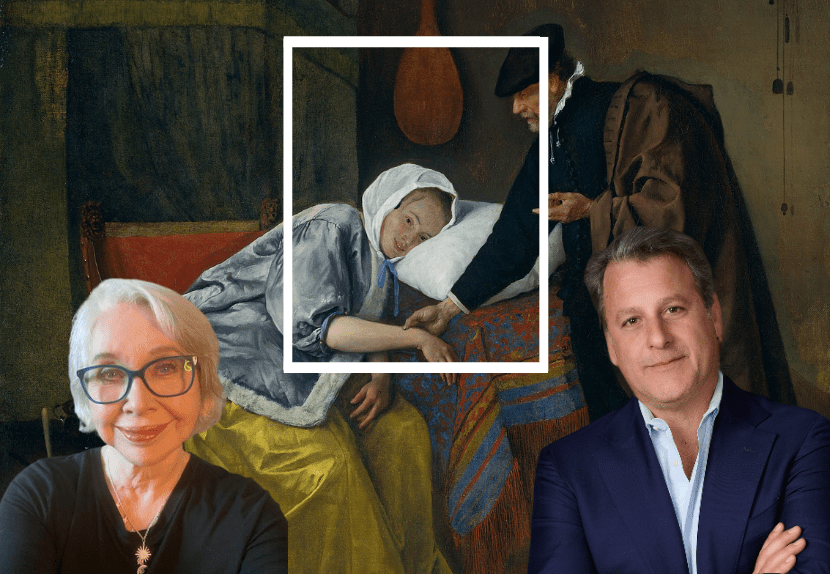
EXCLUSIVE WEBINAR | “Chasing the Wandering Womb: Art, Medicine, and the Myth of Female Incompetence”
Presented by Dr. Laurinda Dixon
Throughout history, women have been characterized as weak, sickly, and stupid, qualities that marked them inexorably from birth. The ancient Greeks blamed the uterus. Their writings, which formed the basis of early medical curricula, characterized the womb as an animal with a mind of its own. No woman was spared the antics of this troublesome creature which, if not properly fed and entertained, could detach itself from its abdominal moorings. Hungry and bored, it wandered throughout the body in search of food and fun, bumping into organs, displacing them, and wreaking havoc in its wake. Hippocrates named this uniquely female phenomenon “hysteria,” a term derived from the Greek word for the uterus. The symptoms– anorexia, fainting, pallor, hallucinations, and even death – were devastating and widespread. Unmarried and childless women – and those who otherwise challenged societal norms – suffered the most.
Belief in hysteria was a fixture of medical knowledge from the ancient Egyptians onward, but interest peaked in the 17th century. At that time there was an epidemic of “difficult” women, who wanted to cut their hair, wear comfortable clothes (borrowed from their husbands’ closets), delay marriage, read Latin, do mathematics, and have a job beyond that of wife and mother. Their wombs fled in panic. The medical faculty at Leiden University (a secular school and the most liberal in Europe) responded by inventing the discipline of “gynecology,” which supported the quest to manage the fickle womb. Dutch artists of the Leiden School, led by Jan Steen, reinforced this effort by inventing a new genre subject – the female sickroom. These popular and accessible paintings, sold on the open market, communicated the symptoms and causes of hysteria and reinforced ideals of female behavior. They hang today in museums all over the world, bearing retroactively assigned titles like “The Lovesick Maiden” and “The Doctor’s visit”.
Even though science has debunked the theory of the wandering womb, echoes of the myth persist, as society and mass media continue to define and reinforce the roles and expectations of women.

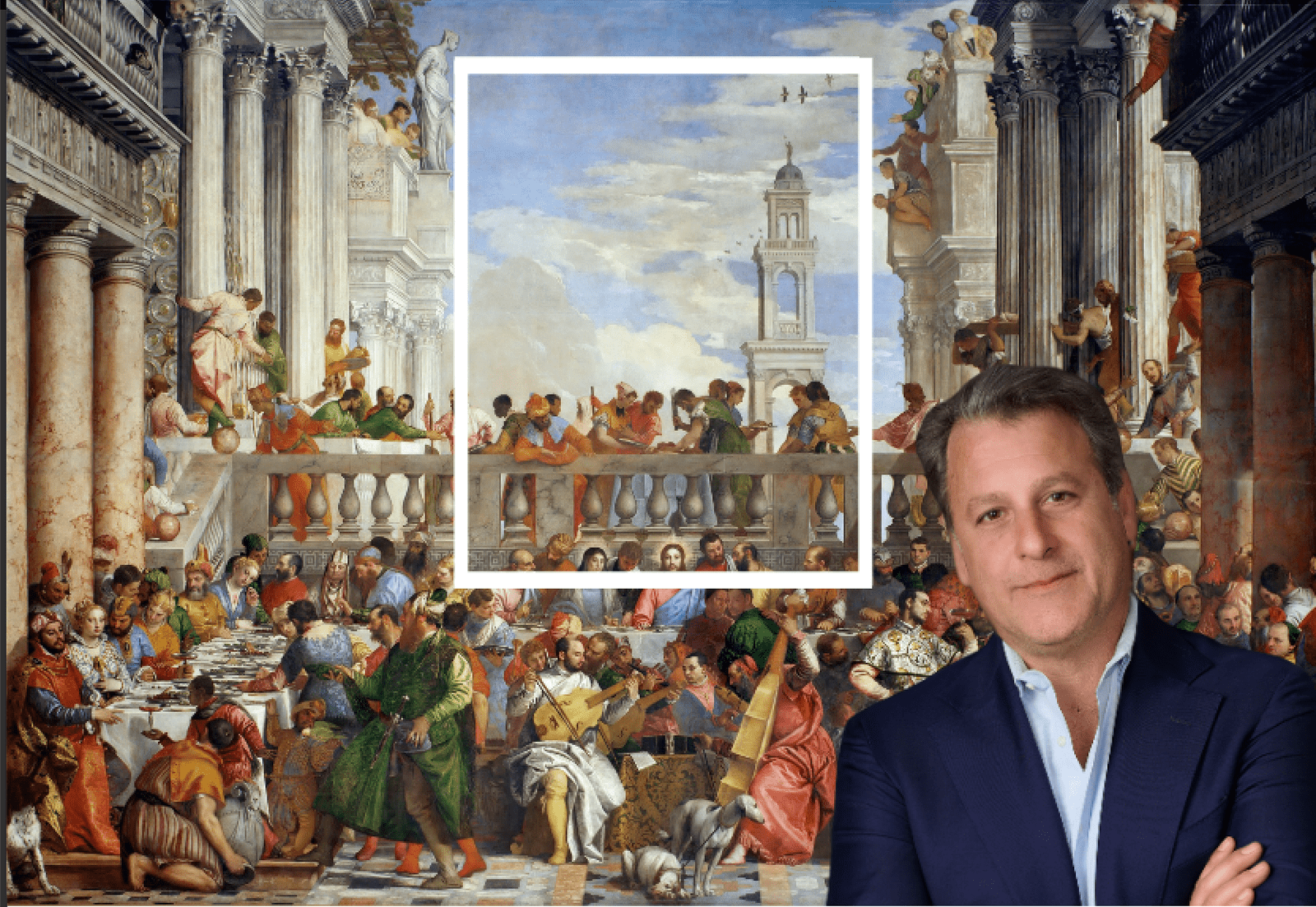
EXCLUSIVE WEBINAR | “Dinner is Served: Veronese’s Great ‘Supper’ Paintings”
Presented by Dr. Rocky Ruggiero
When Paolo Veronese arrived in Venice in 1550, he was already a mature artist. Yet he aligned his art with local Venetian tradition, essentially combining 15th century convention with the more advanced classical tastes of the later 16th century. He is best known as a supreme colorist and painter of large-scale theatrical “supper” paintings. This webinar will examine Veronese’s most spectacular supper paintings and explore not only how they reflect the artistic trends of his day, but also how they showcase the opulent social world of Renaissance Venice.

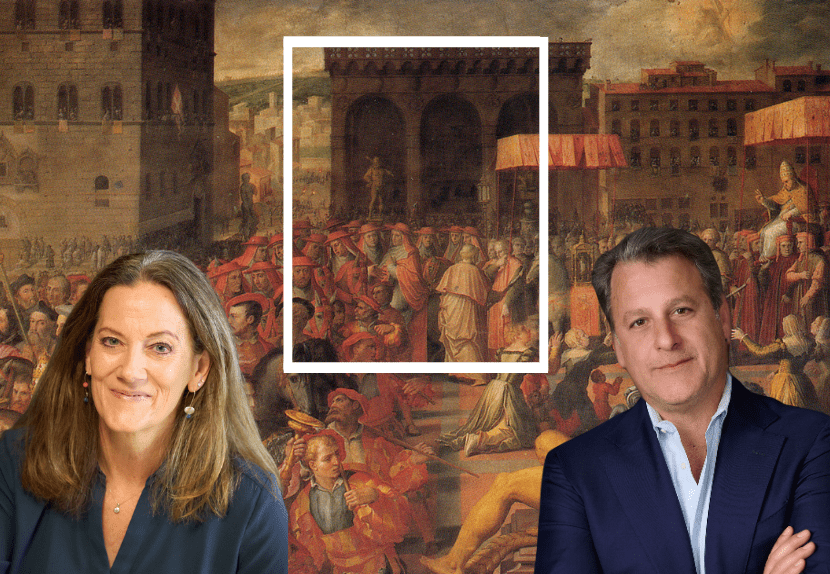
EXCLUSIVE WEBINAR | “Taking it to the Streets: The Ritual World of Renaissance Italy”
Presented by Dr. Sally J. Cornelison
Relic and image processions, political ceremonies, ritual entries of rulers, visiting dignitaries, and high-ranking ecclesiastics, the celebration of saints’ canonizations and feast days, and the rituals associated with birth, marriage, and death were all important aspects of Renaissance visual and performative culture. This talk will explore art, architecture, and ritual performance in Italy via objects and images such as relics and reliquaries, painted processional banners, miraculous images, and commemorative paintings and prints, as well as the urban and domestic settings in which rituals took place and ritual objects were displayed.

