On-Line/Live Event
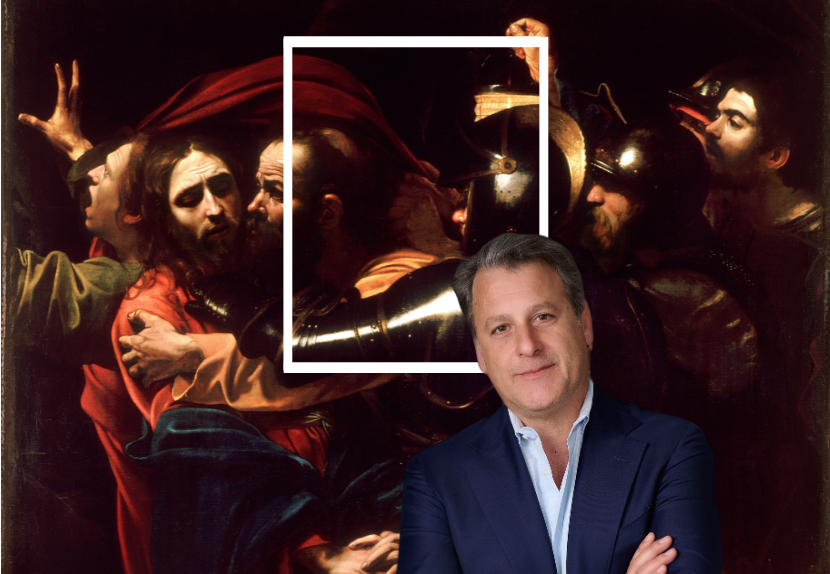
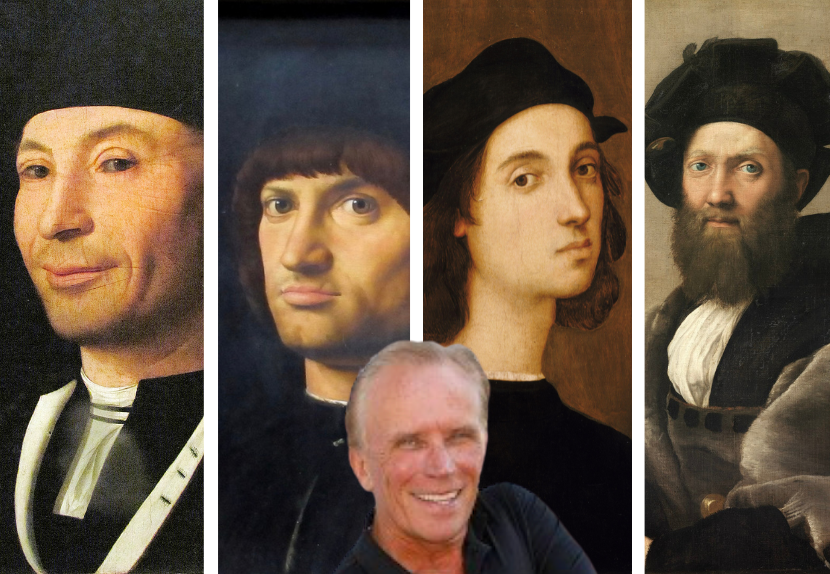
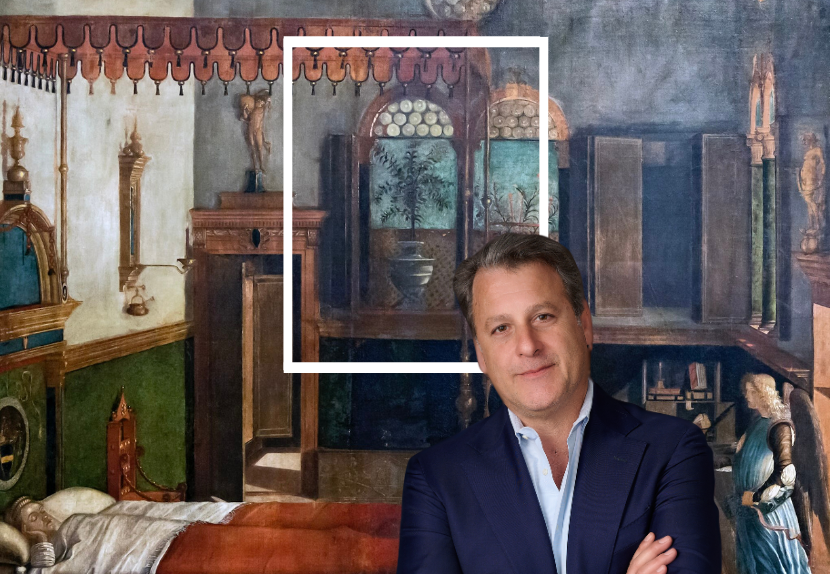
EXCLUSIVE WEBINAR | “Reading between the Brushstrokes: Imagery and Meaning in Italian Renaissance Painting” ...
March 26, 2026
1 hour
$25.00


EXCLUSIVE WEBINAR BUNDLE
“Exclusive Webinars in February”
Presented by Dr. Rocky Ruggiero and special guests Dr. Joseph Luzzi, Esteban Nigro, and Dr. Meghan Callahan
Dates & Times:
Thursday, February 5, 12, 19 & 26, 2026
2:00 – 3:00pm ET | 11:00am – 12:00pm PT |
7:00 – 8:00pm London
EXCLUSIVE WEBINARS | “Exclusive Webinars in February”
Each webinar will include a 45-minute lecture followed by 15-minutes of Q&A.
Please note:
EXCLUSIVE WEBINAR | “The Innocents of Florence: The Renaissance Discovery of Childhood”
Presented by Dr. Joseph Luzzi
In this presentation, Professor Joseph Luzzi explores how a Florentine orphanage rescued thousands of children and revolutionized childhood education amid the splendor of Renaissance art.
The story begins with the abandonment of the newborn Agata Smeralda on February 5, 1445, in Florence’s Hospital of the Innocents, the first―but certainly not the last―child to be left at its doors. In an era when children were frequently abandoned, often trafficked or left to die on the streets, an orphanage devoted to their care and protection was a striking innovation. The Innocenti, as it has come to be called―the first orphanage in Europe devoted exclusively to unwanted children―would go on to care for nearly 400,000 young lives over the next five centuries.
Built by the Silk Weavers Guild at a time when the wealthy were expected to contribute to civic life, the Innocenti featured glorious arches designed by Filippo Brunelleschi and housed works by some of the greatest artists of the Renaissance, from the painter Domenico Ghirlandaio to the sculptor Luca della Robbia. Meanwhile, the new orphanage also redefined the idea of “childhood” itself, particularly in education, as boys were often taught not just Latin and basic numeracy, but also a well-rounded curriculum that included art, literature, and music. Girls learned viable trades such as weaving and silk manufacturing, and the Innocenti assisted them in securing suitable marriages to protect them from poverty or a life of prostitution. Over the centuries, the orphanage oversaw groundbreaking scientific discoveries―it was a birthplace of modern pediatrics―while struggling against rampant disease, constant financial crises, and the dramatic ups and downs of Florentine politics in the Medici era
Joseph Luzzi narrates the fascinating history of this revolutionary orphanage, offering readers the first comprehensive “biography” of a groundbreaking humanitarian institution that recognized poor and abandoned children as worthy of nurture―and thereby shaped education and childcare for generations to come.
EXCLUSIVE WEBINAR | “Staglieno Monumental Cemetery: Art, Memory, and the Making of Modern Burial Spaces”
Presented by Esteban Nigro
During the early nineteenth century, major transformations in European cities profoundly altered the relationship between death, memory, and public space. As burial grounds were moved outside urban centers—driven by health concerns, Enlightenment ideals, and new political regulations—the modern public cemetery emerged as a space where civic order, private mourning, and artistic expression converged.
The Monumental Cemetery of Staglieno in Genoa represents one of the most significant outcomes of this transformation. Conceived in the mid-nineteenth century, it was designed not merely as a burial ground, but as a monumental landscape in which architecture, sculpture, and nature articulated new forms of remembrance and social identity.
Staglieno is especially renowned for its funerary art. Through a rich vocabulary of allegorical figures—angels, veiled mourners, and personifications of time, hope, and virtue—the cemetery reveals how nineteenth-century European society sought to give visual form to grief, memory, and permanence.
The impact of Staglieno extended beyond Italy. Nineteenth-century American travelers and writers, including Mark Twain, encountered the cemetery as a place of exceptional emotional and artistic power, integrating it into a broader transatlantic cultural imagination.
EXCLUSIVE WEBINAR | “Verrocchio’s Triumph”
Presented by Dr. Meghan Callahan
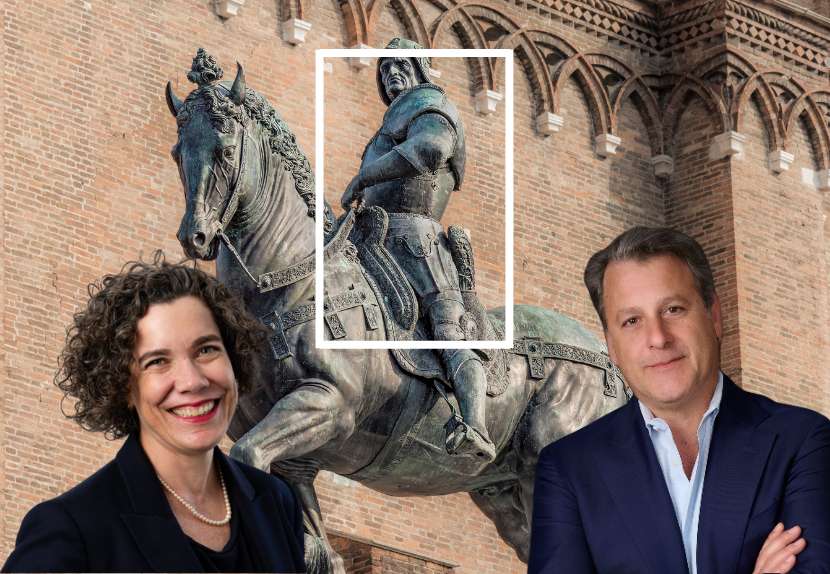
Born in 1435, Andrea del Verrocchio was one of the most important artists of the early Renaissance in Florence. Trained by a goldsmith and patronized by the Medici, Andrea sculpted and painted some of the most important public and private works in Florence before moving to Venice, where he had been commissioned to erect an equestrian monument to Bartolomeo Colleoni. This talk will focus on how inspired by ancient Rome and Donatello, Verrocchio demonstrated the power and energy of the mounted mercenary to create one of the triumphs of Renaissance bronze casting.
EXCLUSIVE WEBINAR | “All that Glitters is Gold: The Mosaics of Monreale Cathedral”
Presented by Dr. Rocky Ruggiero
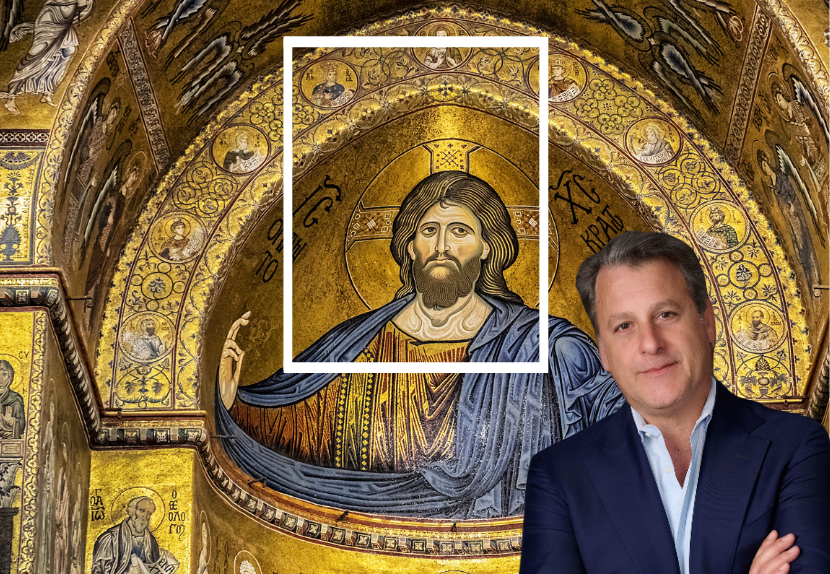
Covering some 6,500m2 (70,000ft2), the spectacular mosaics in Monreale Cathedral in Sicily is one of the largest in the world. They were created in the 12th and 13th centuries by order of Norman King William II in the Byzantine style. While the nave and clerestory mosaics depict Old Testament stories, the side aisle walls, instead, depict New Testament stories. The entire program culminates in the apse of the great cathedral with a massive “Christ Pantocrator” image. Join Dr. Rocky for this exclusive webinar as he explores the magic of the mesmerizing mosaics of Monreale!