
On-Line/Live Event
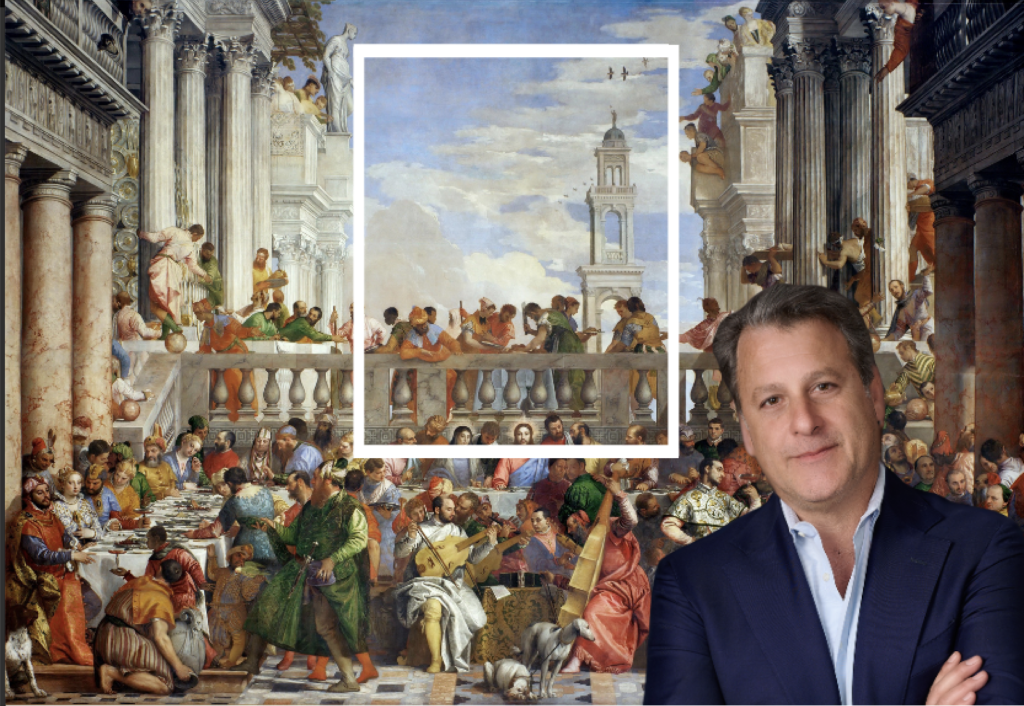
EXCLUSIVE WEBINAR | “Dinner is Served: Veronese’s Great ‘Supper’ Paintings” with Dr. Rocky...
November 12, 2026
1 hour
$25.00

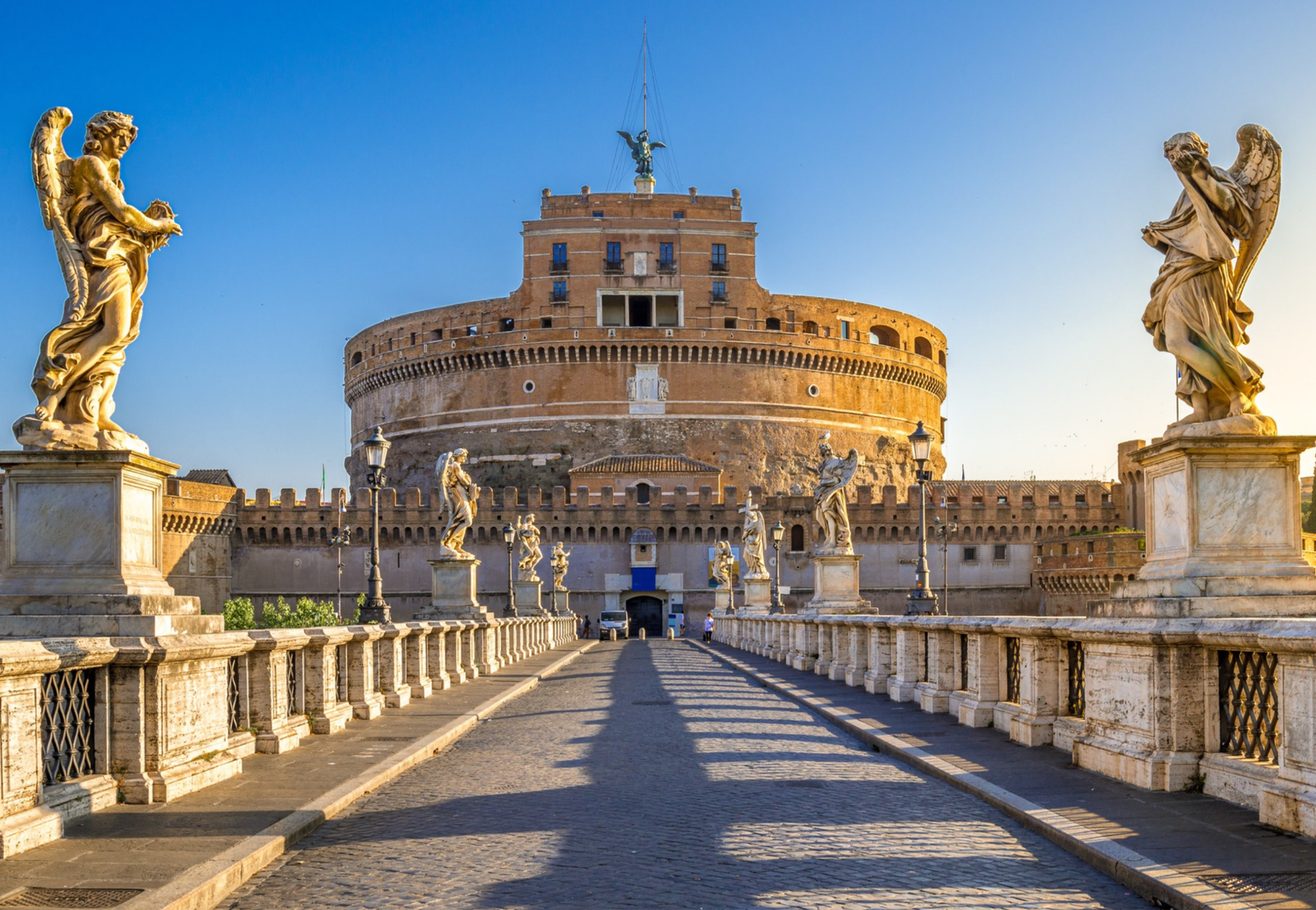
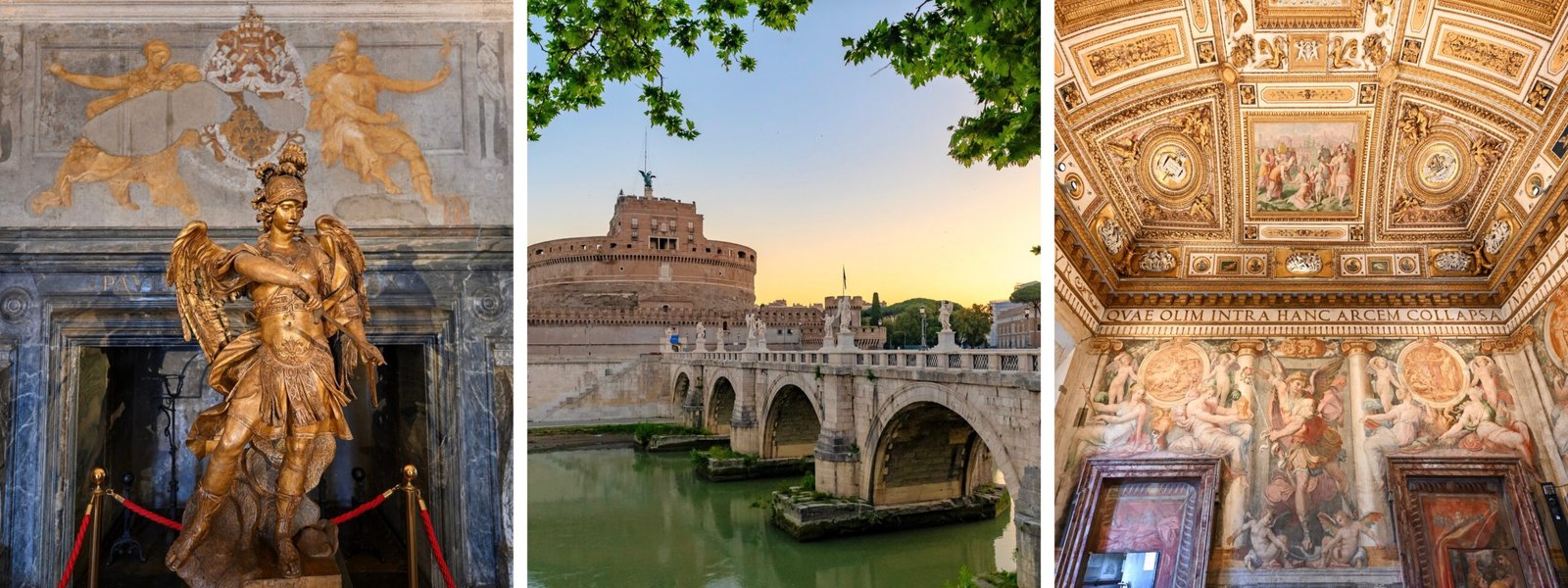
Standing on the west bank of the Tiber River in Rome, Italy, and originally constructed in the 2ndcentury CE as the tomb of Roman emperor Hadrian, the Castel Sant’Angelo was later converted into a castle. In 1277, Pope Nicholas III ordered the construction of the “Passetto di Borgo” – a fortified corridor connecting the castle to the Apostolic Palace – so that the castle could be used as a place of refuge by the pope. It was an alleged miracle that took place in the 6th century CE that gave the castle its name, when Pope Gregory the Great saw a vision of an angel sheathing its sword to mark the end of the devastating plague. The 18th–century bronze statue of a sword-sheathing angel atop the Castel Sant’Angelo commemorates the miracle and will be recognizable to opera buffs as the setting of act III of Puccini’s “Tosca.” Buona visita!